Bangladesh’s economy faces mounting challenges amid global and domestic pressures. The interim government led by Nobel Laureate Dr. Muhammad Yunus inherited an economy plagued by high inflation, low reserves, rising debt, weak tax collection, and youth unemployment. GDP growth slowed between FY22–FY24, with inflation hovering around 10% in FY24 due to food and energy costs. FY25 outlook remains bleak as political uncertainty and demand-tightening measures dampen investment. Bangladesh 2030: Pathways to Shared Economic Prosperity critically analyzes these issues, highlighting deep-rooted structural weaknesses. The book offers evidence-based strategies focusing on banking reforms, revitalizing micro and small enterprises, and policy actions to restore growth and ensure inclusive, sustainable development.
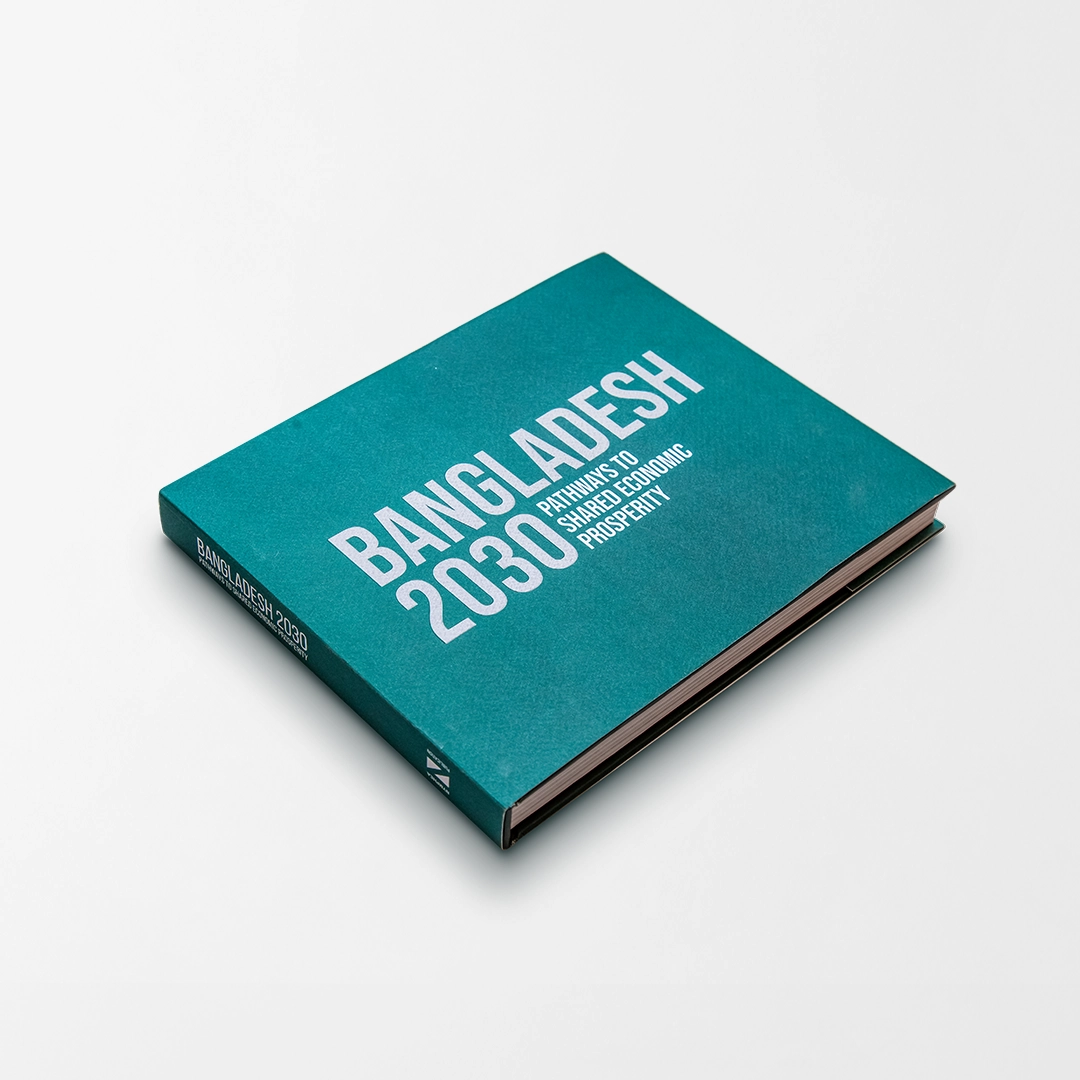
Bangladesh 2030: Pathways to Shared Economic Prosperity
3,000.00৳
Related products

Bangladesh Stabilizing The Macroeconomy
680.00৳The book “Bangladesh Stabilizing the Macro Economy” explores the economic challenges that Bangladesh is currently facing, influenced by global inflation and the Covid-19 pandemic.